

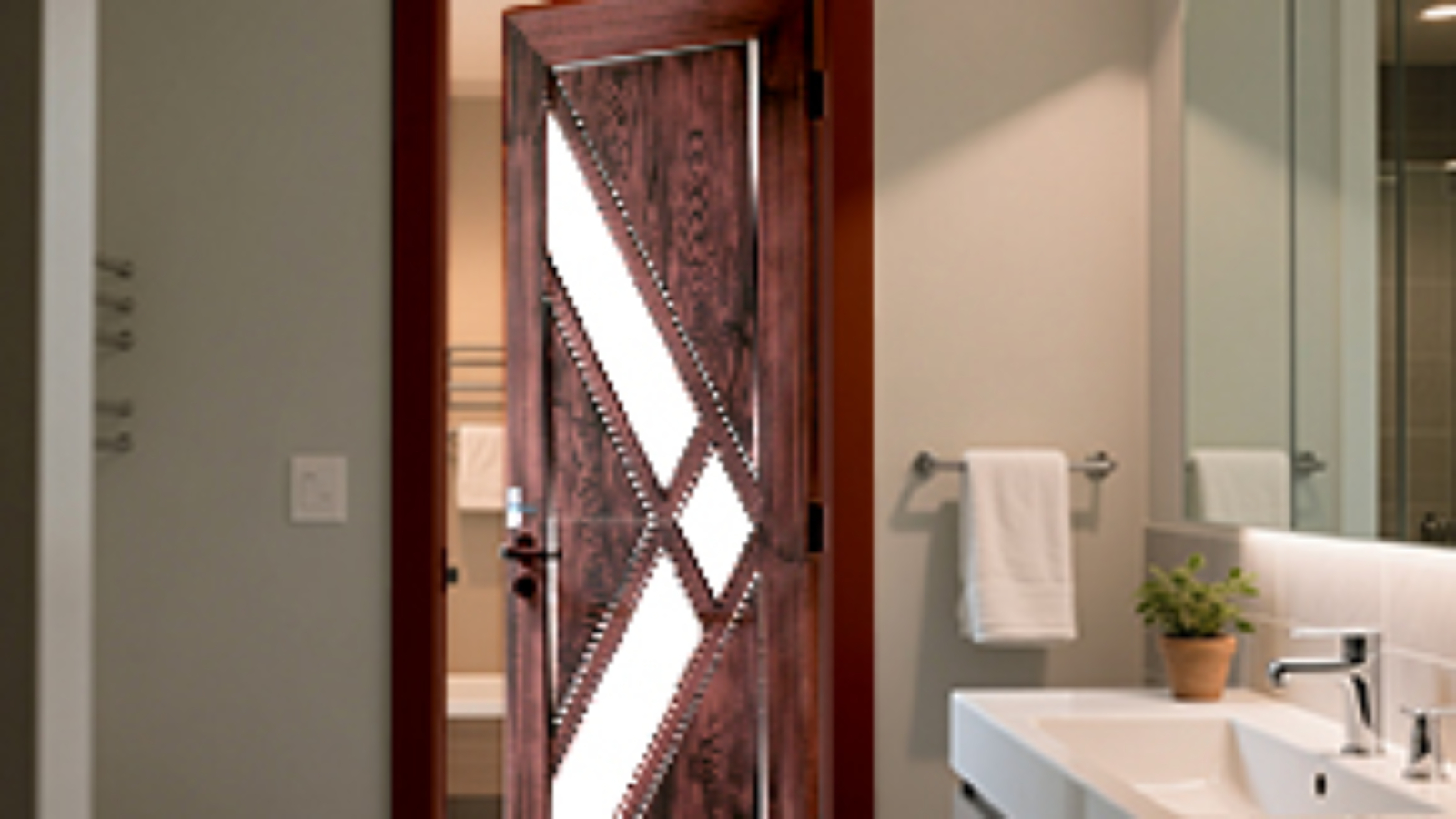
The most important element to consider when designing your home may be the door. While many people will focus on furniture, wall colour and décor to create the perfect home, they often overlook the power of model doors. Not only do doors serve a purpose, but they also define the flow of your interior space visually, and also affect your mood in every room. A door design that fits well within your theme can bring together an entire room, while a poor choice can disrupt even the best-planned decor.
If you want a cohesive, classic-looking home designed with thoughtfulness, it’s essential to understand how to coordinate your door with your overall interior theme. We’ll break this down as straightforwardly and practically as possible.
Why Doors Matter More Than You Think
Interior decorators believe that Consistancy Luxury. You can find doors are found on many of the large vertical areas within your home and since you can find them in every room they are an important element for visual continuity. For example: If you place a very modern and stylish furniture set in your living room and then add very traditional looking doors, the overall style of the room may not come together properly when mixing so much contrast. In reverse, If you have an interior designed in Classic style but you add a plain Fedex envelope to your style there is no way you will have a complete interior design.
Step 1: Identify Your Interior Theme
The first step you should take when choosing door types for your home is finding out what type of Interior Design style you prefer.
There are four primary styles:
- Modern – Clean, straight lines; Minimal furnishings and decorations; Neutral color palette; No shiny surfaces
- Classic – Ornate trim work, Dark stained wood; High-End materials
- Contemporary – A combination of the two styles above.
- Rustic – Natural materials with warm colors; Earthy finishes
- Minimalist – Geometric and/or rectangular shapes without any embellishments; Simple color palettes;
Determining the design style will help you limit the types of doors available that complement your design style.
Step 2: Align Design Description
Different types of doors exist with different designs, grooves, patterns and finishes; you need to find doors that compliment the room you are putting them into.
- Modern style: Flat-panel or subtle-line patterned doors.
- Classic style: A decorative moldings-panel door.
- Minimalist style: Smooth shaped panel doors in neutral tones.
- Rustic style: Textured finishes and warm colours will match your rustic look.
- General rule of thumb: the more decorative your interior is, the more detail your door should have.
Step Three: Color and Finish Coordination
Color greatly impacts visual congruity with the door having the ability to blend in or serve as a subtle accent colour.
- When styling a light room, choose to paint the door a white, light cream or light-coloured wood tone.
- When designing a darker room, opt for a deeper shade of paint.
- For rooms with neutral painted walls, the door can become a prominent design feature.
Matte finishes present a contemporary look; polished or textured are more interesting and can help create an aesthetically pleasing and uniform look across different spaces.
Step Four: Proportion and Space
The design style of a door should match the proportion of the area in which there will be a door fitted. A bold door design would work well in a large, spacious room compared to a small-sized room where doors would look better using a simpler style, which won’t visually clutter the space.
For instance, narrow door designs create an illusion of an open walkway in a narrow hallway and bold design doors give a living area a more sleek and stylish appearance.
Step 5: Align Your Door With the Architectural Components
When selecting your door, consider how they will “match” the layout of the room, specifically the ceiling, wall covering and floor. Your doors should “match” these architectural components as much as possible, rather than “compete”.
For rooms that have strong geometrical design elements (i.e., square or rectangle shapes), straight line patterns will look best. However, if the interior space is predominantly curved or has less decorative detail, consider four slightly ornate door design to reinforce the curves.
Step 6: Balance Style with Functionality
While style is very important, there are many instances where door selection also needs to be based on functionality of the space. For instance, a bedroom may need to have thicker, sound resistant doors, whereas a living area can typically be pretty much “all style” and not much “functionality”. Being practical when making your decision(s) will give you long-term happiness.
Mistakes to Avoid
- Too many door styles in a single residence
- Incredibly fashion-driven door styles that go out of style quickly
- The impact of lighting on the colour of doors
- Selecting designs that are contrary to the style of furniture
A consistent style and balanced placement allow for a timeless design.
Conclusion
Harmony is essential to great design. Doors can help create harmony by being consistent with the overall look of the interior design theme. When the doors are consistent with the theme of the interior space, it will look much more professional, cohesive and finished. Take the time when choosing a door style to ensure the design reflects your vision, complements the overall theme of your interiors, and is of a design that fits into your lifestyle.
Add a Comment
You must be logged in to post a comment