

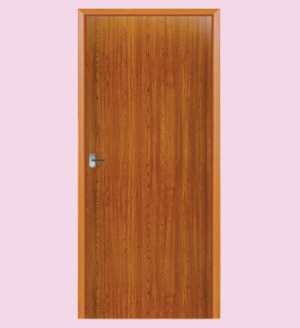
If you take a look around your home, one of the greatest things you will see is how much your interior doors contribute to both function and style. However, your kitchen and bathroom doors are exposed to extra moisture because they not only separate two spaces but because they are also subjected to steam, moisture from cooking and dishware washing, condensation from showering, and from all the temperature changes that these areas endure every day. The moisture from these activities can cause traditional doors to swell, warp, peel, or develop mold over time. This is where doors made to be moisture-resistant are critical.
If you are building a new home, remodeling your existing home or just replacing old doors, knowing why moisture-resistant doors are so important can save you money on unnecessary repairs and surprises.
Why Moisture Is a Problem Indoors
The kitchen and bathroom have a higher humidity level than anywhere else in your home. Cooking produces steam; dishwashing increases humidity; and showering creates condensation that will linger in the air after the event. When a door absorbs the moisture from these activities repeatedly, over time, you will see the following problems:
Doors will swell or warp causing them to stick to the frame making them difficult to close.
- Peeling or bubbling of the laminate on the surface of the door.
- The structural integrity of the door will be compromised due to this exposure over time.
- Mold and mildew will develop if the area is not properly ventilated.
Even if there is only a small amount of moisture exposure each day, it will add up over time. Building experts state that when a wood product is exposed to 60% humidity or higher for a length of time, there will be serious deterioration of that product. By purchasing doors created to withstand these conditions, you will experience long-term performance from those doors.
What Makes a Door Moisture Resistant?
Most doors vary in their design and construction; however, there are moisture resistant interior doors (a.k.a., moisture loaded) that employ special materials and construction techniques to limit absorption and help the door resist changes in humidity.
1. Engineered Core Materials
Typically the core of these moisture-resistant doors is a treated core or engineered/ composite material that has the ability to resist expansion. Solid untreated wood doors will expand and therefore change shape with moisture, while an engineered core will maintain its shape regardless.
2. Protective Surface Layers
Moisture-resistant doors generally have a special laminate, PVC skin, or a sealed finish that creates a moisture barrier on the surface of the door. This moisture barrier is essential when utilizing moisture-resistant doors in wet locations.
3. Sealed Edges
The edges of a door typically are the first parts of the door to absorb moisture. A quality moisture-resistant door will have sealed edges to reduce the potential for swelling or deteriorating.
4. Compatible With Stable Frames
When placed in a subpar door frame, even a high-quality door will not function as intended. If you install a moisture-resistant door in a good quality stable frame, the door will last longer and fit properly.
Top Spots to Consider Using Internal Doors Moister Resistant
Although bathrooms and kitchens are likely the most frequently used areas, these doors can also be used in the following excellent places:
- Utility rooms
- Laundry rooms
- Basements
- Coastal homes with humidity
Many people who own there homes are now choosing to go with moisture-resistant door options throughout their entire homes so that it provides uniformity and also comfort level.
Advantages
- Extended Lifetime
Cracking, swelling and rotting are less likely with these doors, which results in fewer replacement costs over time.
- Little Upkeep
You can typically wipe them down and won’t have to repaint or do surface repairs very often.
- Improved Hygiene
Since they are resistant to moisture, you can reduce or eliminate the growth of mold and mildew. This promotes a healthier condition inside your house.
- Uniform Appearance
Your door will not warp or change due to changes in humidity, and therefore will continue to look brand new!
Moisture-resistant doors do not have to compromise beauty or design.
Many people believe that moisture-resistant doors are only practical and not creative; however, there are many different options of both finish and style for your moisture-resistant doors. You can find door styles that are the perfect match to your home’s style, whether your home is traditional/classic, modern or another style completely.
Moisture-resistant doors can also be purchased with many different styles of glass and flush designs without sacrificing their durability.
Smart Selection Versus Purchasing Wrong
To make a great choice when selecting your new door:
- Find out what type of core material is the door made from – and how well they build moisture-resistant products.
- Your new door should have a smooth finish as well as be sealed, since these types of doors look good longer than rougher finishes.
- Make sure there is proper ventilation throughout the home with the new doors chosen. Doors installed correctly with proper ventilation work better.
- Installing a door that is fitted bad will cause water leaks over time.
- Paying a little extra now can help you save on upkeep down the road.
Correct Installation and Maintenance Are Important
Even though moisture-resistant doors are made of moisture-resistant materials, improper installation can create a situation where the door is rubbing against something or where the bottom edge of the door is exposed to standing water. One way to help keep the finish on a moisture-resistant door looking good is by cleaning off any soap or cooking residues on a regular basis.
By following proper care and maintenance rules (and buying a moisture-resistant door), you can potentially extend the life of a door significantly.
A Great Investment for Today's New Home Design Focused and Durably Built Homes
Moisture-resistant doors are becoming a norm within the home design world and should continue to grow as people want their homes to look as they do now (designs/IPADs), but be more functional.
When selecting doors in a home, the function of the door is just as important as what the door looks like. The finishes of the doors used in kitchens and bathrooms should be materials that can withstand all of the regular daily wear and tear without requiring continual upkeep.
Add a Comment
You must be logged in to post a comment