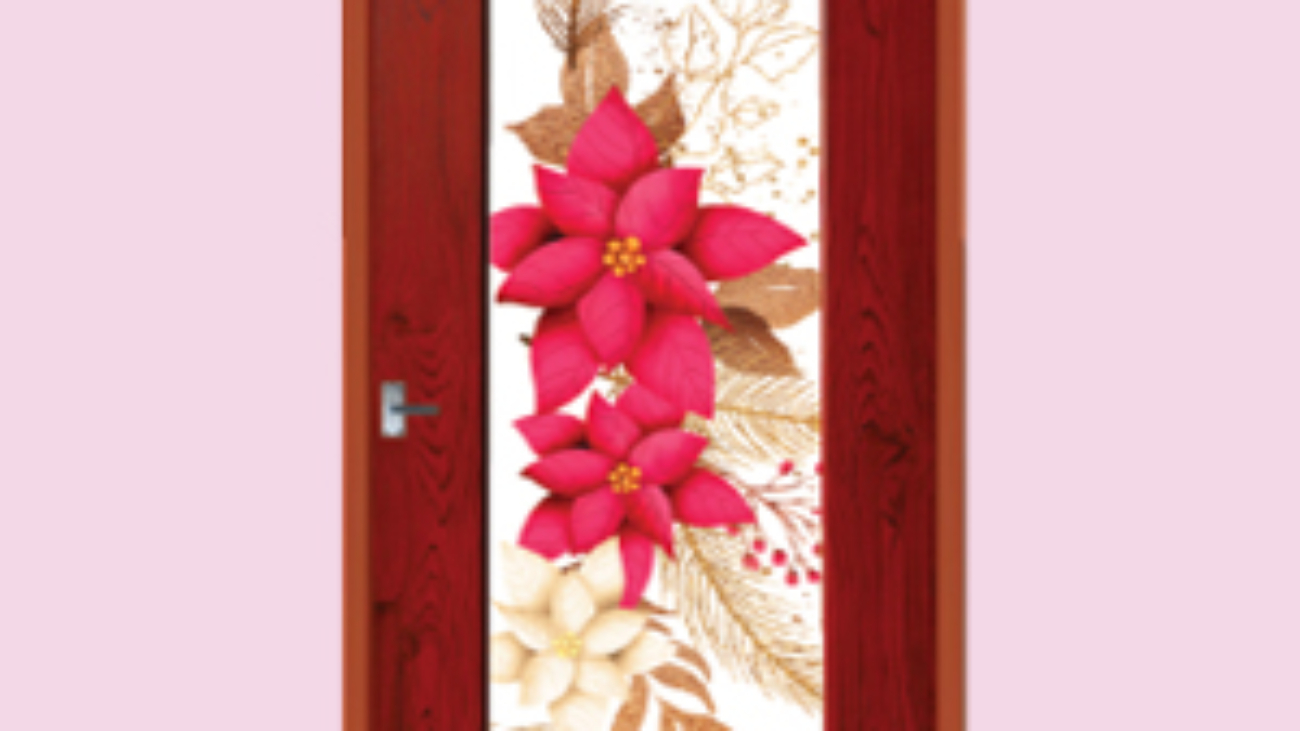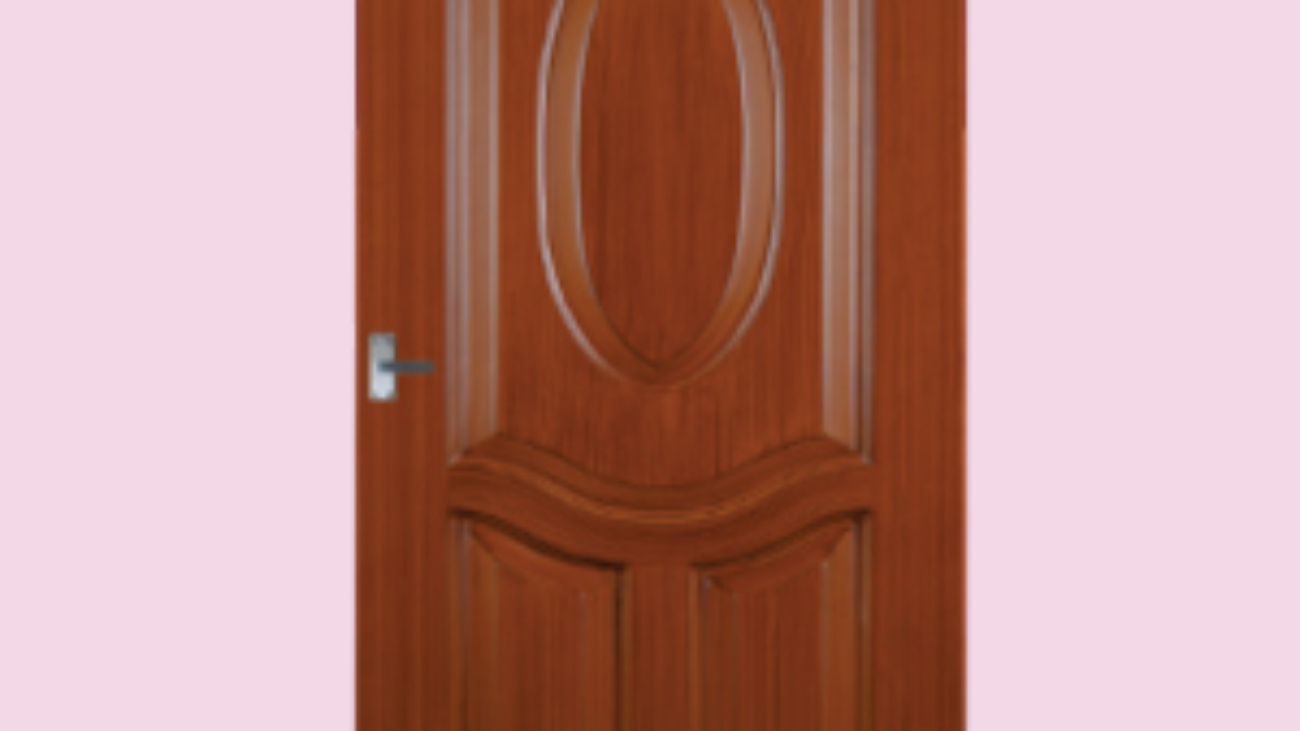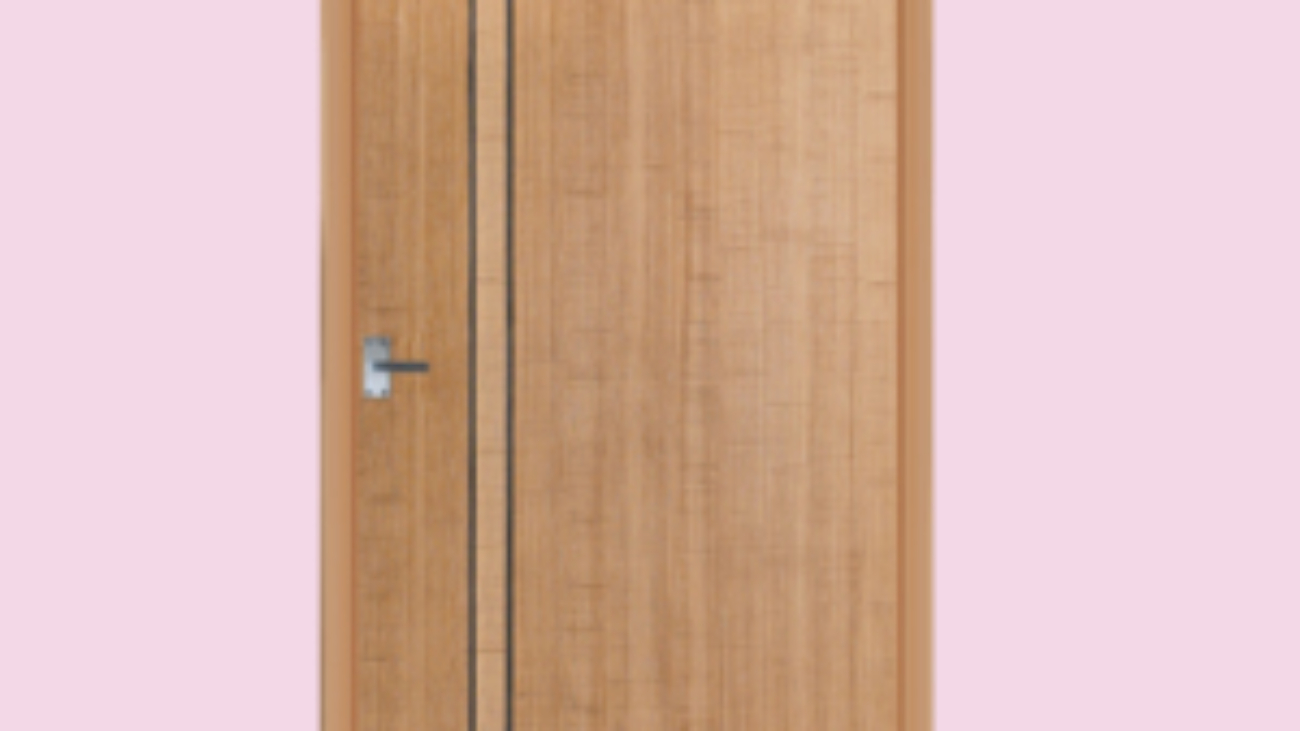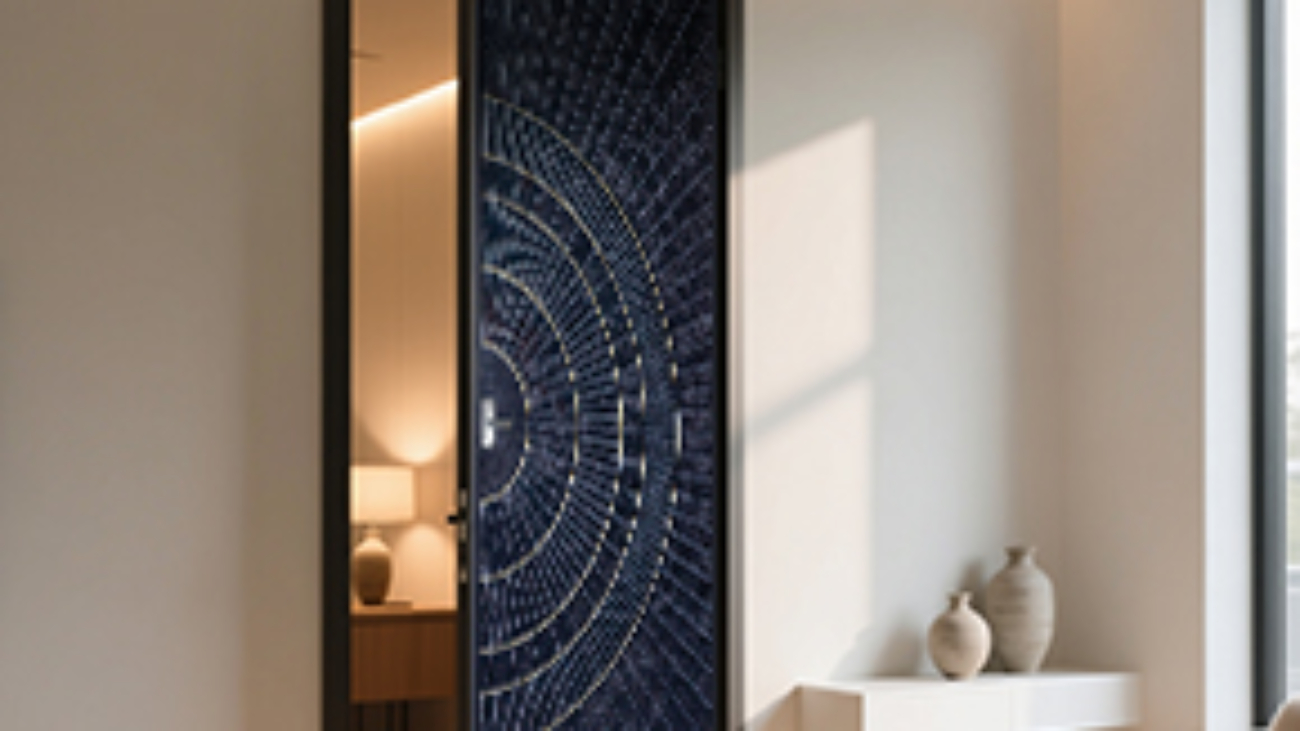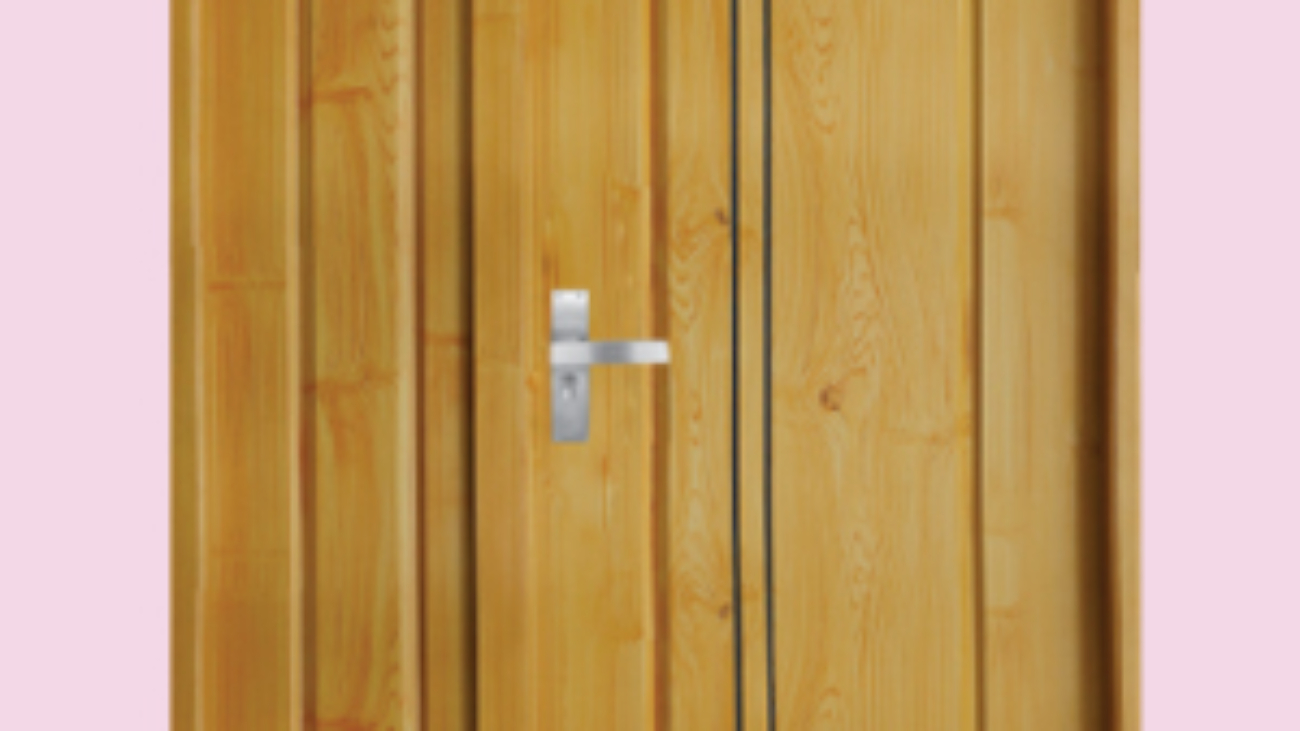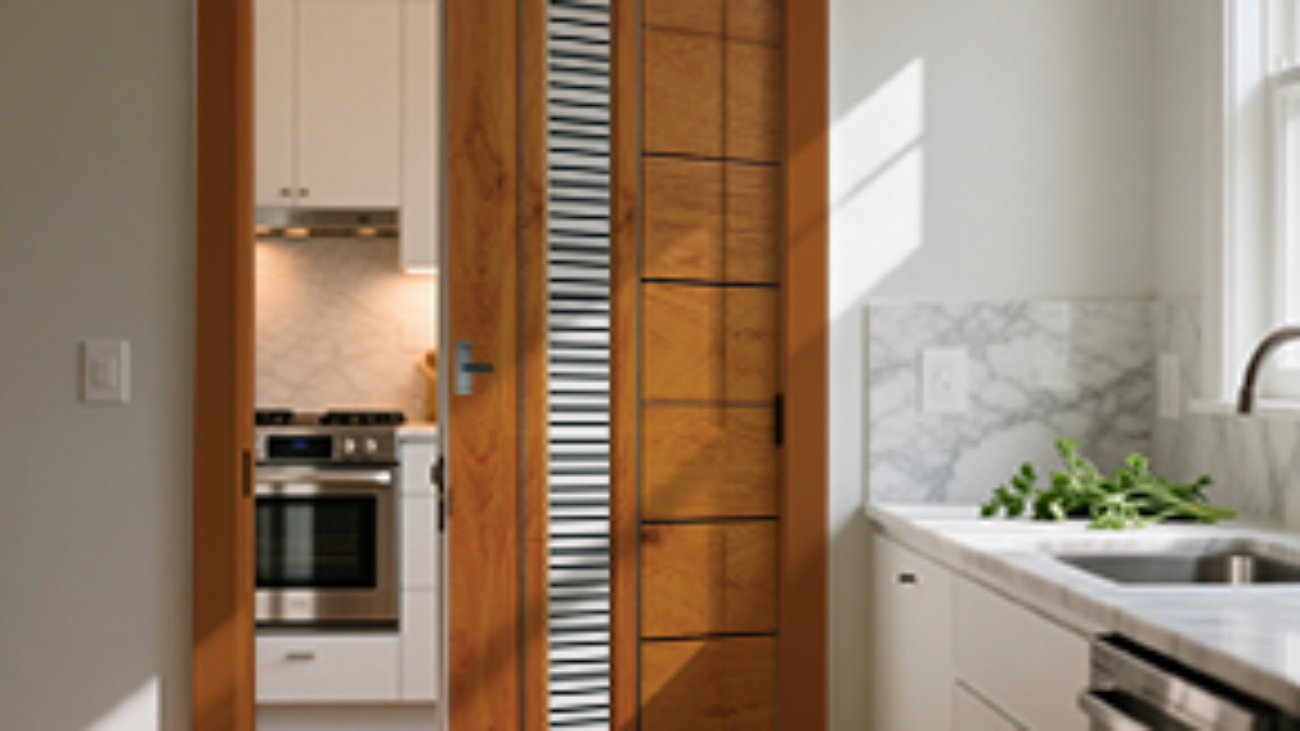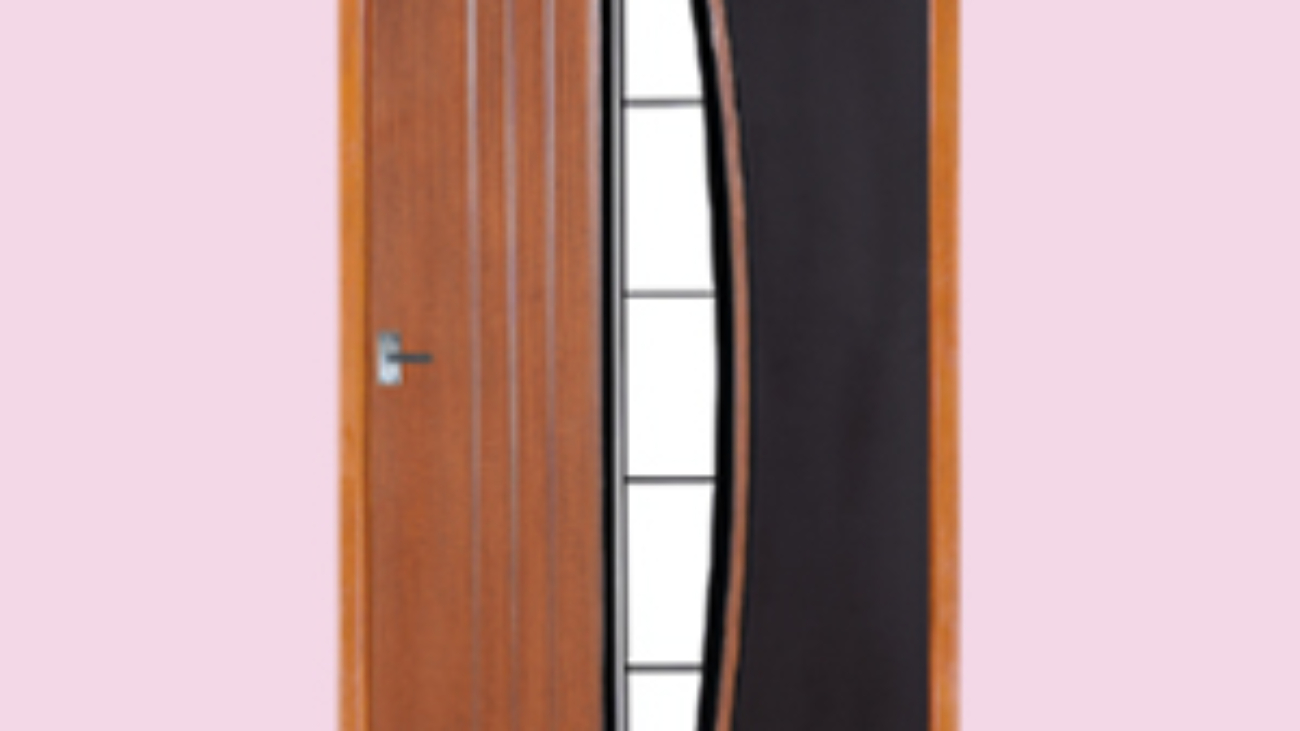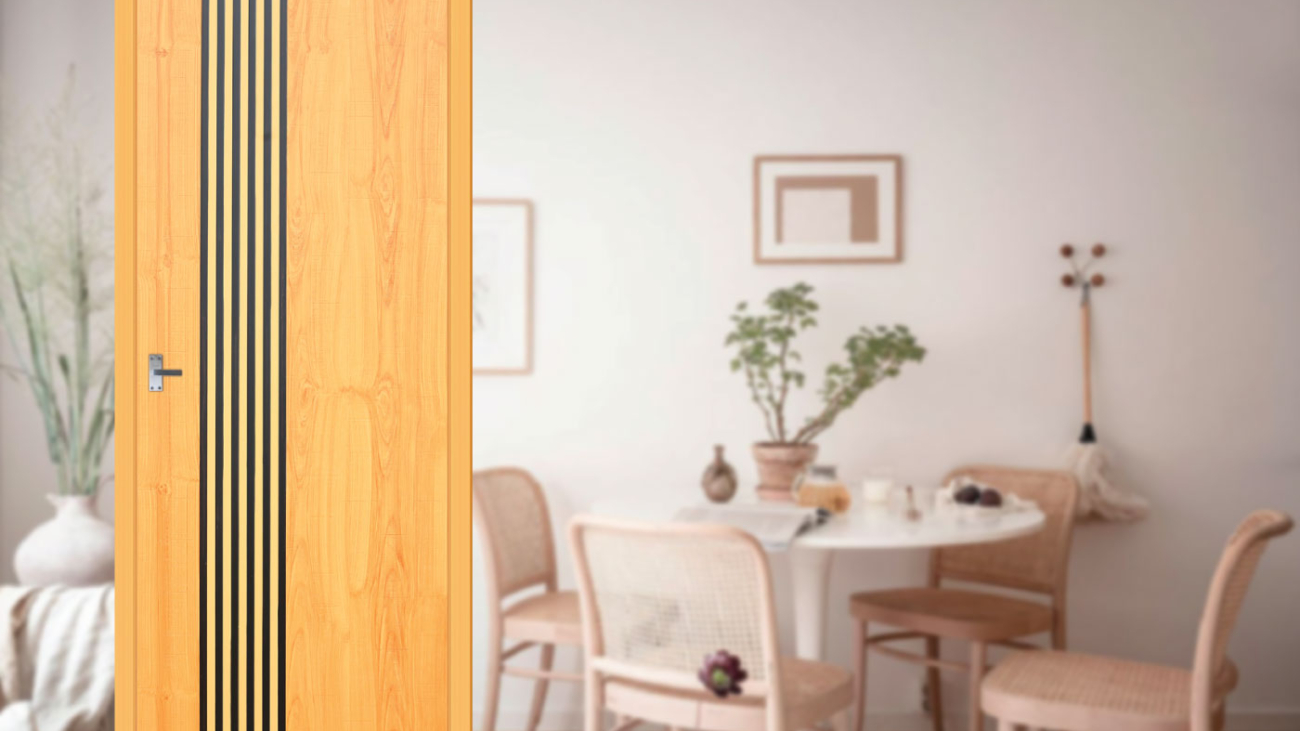

When designing bathrooms and wet areas, durability is one of the biggest concerns due to the constant moisture exposure in these environments. This is where fiber washroom doors are such a great option, but can you really be sure that they will last for years and will be able to hold up against a very high amount of humidity?
The answer is yes and understanding why will help you choose the best option for your space, long term, as a smart investment.
Understanding the Challenges of High Humidity
Bathrooms, kitchens, and utility areas are the places where a large amount of humidity is created due to the presence of steam from showers and baths, the water that splashes onto the doors and the changes in temperature.
All of these elements can impact traditional building materials very quickly and will result in many doors:
- Swelling or warping
- Cracking, buckling or bubbling
- Fading in appearance
- Weakening or becoming unstable
This is why finding the right building material is essential. A door that will be exposed to the harsh conditions found in a bathroom or wet area must not only be resistant to moisture, but should also maintain its integrity and appearance over time.
What is Different About Fiber Washroom Doors?
Fiber washroom doors are made from fiber-reinforced materials and are specifically built for use in extreme environments. Unlike traditional washroom doors, fiber washroom doors are engineered using state of the art technology and superior raw materials to provide you with the best performance possible.
Characteristic Attributes That Make Them Resistant to Humidity
1. Waterproof
One of the main benefits of washroom doors made from fiber is their strong resistance to water. They do not absorb moisture easily so will not swell, rot, or deform.
2. Dimensional Stability
It is common for materials to expand and contract in high-temperature environments. Washroom doors made from fiber will maintain their shape and size while constantly exposed to wetness and temperature fluctuations, providing dimensional stability.
3. Anti-Corrosive
Fiber doors have an inherent resistance to corrosion, unlike many alternatives (especially metal-based door materials), making them a good fit for wet areas.
4. Smooth, Non-Porous Surface
The surface of the fiber washroom door is non-porous, which will keep water from seeping through the surface of the door, making cleaning easier and reducing the likelihood of mold and/or mildew growth.
5. Long Life
With proper installation, a fiber washroom door can last for many years with no significant deterioration in demanding environments.
Real World Situations Where Use of Fiber Washroom Doors in High Humidity Areas
Fiber washroom doors are commonly installed where it is unavoidable that the environment is regularly exposed to moisture, such as:
- Residential bathrooms or washrooms
- Commercial restrooms
- Corporate office buildings
- Hospitality and Public Utility areas
Their ability to continue performing well within these environments for both large and small projects has made fiber washroom doors a highly preferred option by many companies.
Fiber washroom doors perform significantly better than traditional materials when exposed to moisture and humidity. These doors do not swell or warp (retaining their original shape), will not begin to peel or crack (keeping the finish looking new), require very little maintenance, and consistently perform well under extreme conditions; therefore, there is no better long-term value for your investment.
Tips to maximize the performance of fiber washroom doors in humid areas
Although fiber washroom doors are designed to resist moisture, certain practices can help extend the life of the doors even further:
- Verify proper installation – The right fit prevents unnecessary exposure to water.
- Use quality hardware – Durable hardware complements the door’s performance.
- Maintain adequate ventilation – Allowing air movement helps limit the moisture accumulation.
- Regularly clean – Keeping the door surface clean will promote cleanliness as well as have an appealing appearance.
All these simple steps will help to maintain the functionality and aesthetics of your doors for many years.
The Role of Advanced Manufacturing
The advanced manufacturing process significantly affects the strength and durability of a fiber washroom door. By utilizing advanced methods and high-quality raw materials when manufacturing fiber washroom doors, manufacturers can produce doors that resist environmental stress more effectively.
The manufacturing process, with the help of skilled professionals, adheres to strict industry standards to ensure that each finished product is manufactured with consistent dimensional integrity and quality.
Versatile and Innovative Designs
When it comes to modern fiber washroom doors, there is more than just durability – there is also versatility in design! With many different styles, textures and finishes available, they will fit effortlessly into virtually any interior theme.
From simple, functional doors to elegantly finished products, these doors have the ability to meet both your design and performance needs.
A Durable Investment
When choosing your bathroom door for high humidity/water-prone areas, it’s important to consider not only performance for one season but also performance for many seasons (years). Fiber washroom doors are built to endure daily exposure to moisture while still looking good and providing maximum structural support.
Each time that you replace a door because of water damage is an expense of time and money, so your choice of fiber washroom doors is a sound investment for long-term use if you are thinking of building or remodeling.
Conclusion: Are Fiber Washroom Doors a Good Value?
Can fiber washroom doors withstand moisture? Yes! Fiberglass washroom doors have three important factors to consider when thinking about their moisture resistance: water-resistance, structural integrity, and minimal maintenance.
When you design a new home bathroom or manage a large commercial project, the choice of door material can impact performance and longevity.