

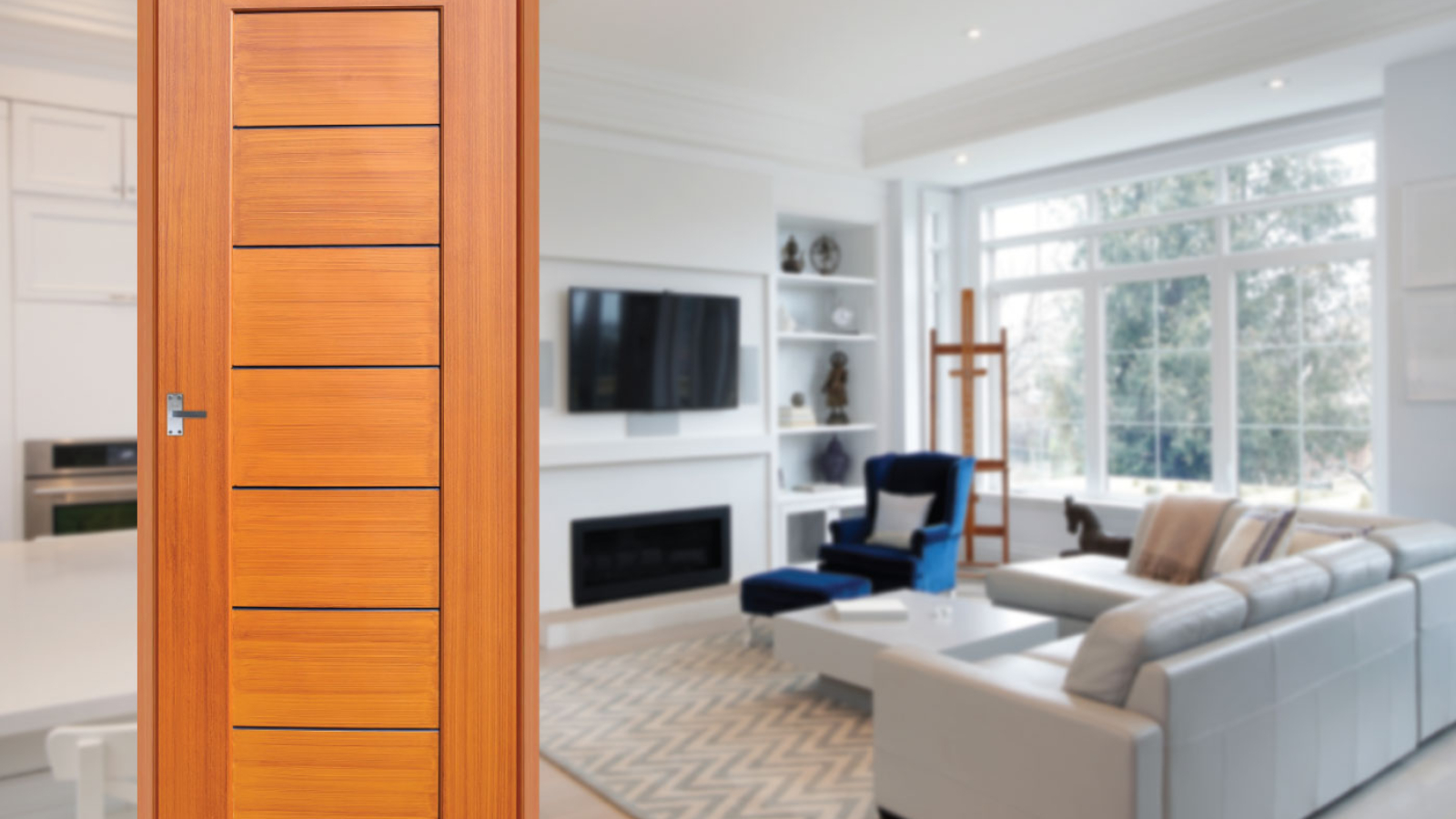
Due to the demand for durable, efficient, and future-ready products, many sectors of the construction and interior design industries are rapidly changing. The evaluation of doors has changed over the last several years; they used to be viewed only in terms of how well they perform and how long they last. Today, FRP doors are becoming very popular as they have the capability of meeting modern requirements such as strength, low maintenance, and flexibility in design and function. Therefore, FRP doors have become a viable option for both residential and commercial construction going forward.
Changing Expectations in Modern Construction
Construction today is not just about looking good (i.e., the initial cost) or giving the lowest possible bid. Rather, construction today focuses on the long-term value, sustainability, and performance of a building and its products. Whether it be the weather, temperature changes, humidity, or any other element that may affect a material’s performance; FRP doors meet these requirements, as they balance performance and aesthetics better than many traditional materials do.
What Makes FRP Doors Future-Ready
Fiber Reinforced Plastic (FRP) is a composite of plastic (polymer) and reinforcement fibers to create a lightweight and strong material. From this engineered composition, FRP doors have an advantage over wood or metal doors because they do not warp or crack, nor do they absorb moisture. As climate becomes more unpredictable, there will be an increased demand for materials that withstand humidity, heat, and wear and tear on a regular basis, so FRP doors will be common place in the future.
Rising Demand Across Residential Spaces
An increase in market trends for Fiberglass Reinforced Polymer (FRP) doors is continuing to grow in residential markets. An overall trend towards homeowners seeking less maintenance, greater safety and comfort has led to more decision making by the end user when seeking out door types. FRP doors have become a preferred option for many entry points, kitchen/bathroom/utility rooms, etc., due to their inherent characteristics of durability over extended periods as well as being moisture resistant. Consistently exhibiting performance characteristics in various areas of the house are factors driving the increasing adoption of FRP doors.
Expanding Use in Commercial & Institutional Buildings
Other than residential construction, FRP door installations can also be found in institutional buildings. Office buildings, schools, and hospitals need materials that can withstand significant traffic without sustaining many repairs. The use of FRP doors fits the bill since they are capable of standing up to heavy traffic without sustaining any damage.
Low Maintenance Driving Long-Term Adoption
One of the major pull factors for future demand in FRP doors is that they require less maintenance. FRP doors need less maintenance because they are less prone to being polished, painted, or treated. FRP doors are able to maintain their aesthetic looks by consuming less maintenance. It is of extreme interest to all potential owners of properties.
Encouraging the Implementation of Sustainable Construction
Sustainability is emerging as an integral factor in the current building trends. Long-lasting materials with low replacement rates contribute significantly to waste reduction in materials. FRP doors play an essential role in sustainable building by providing durability and sustainability in their performance. Durable door solutions act as an effective means of sustainable building practices.
Design Flexibility for Evolving Aesthetics
As the architectural styles continue to evolve, so does the need for flexibility in design. FRP doors offer clean, uniform finishes that suit current design trends. Designers appreciate materials that can remain consistent across many spaces while being able to adapt into a variety of functional needs. This adaptability ensures FRP doors remain relevant in the ever-changing design preferences.
Energy Efficiency and Indoor Comfort
Other reasons that will affect the future of door solutions include energy efficiency. FRP doors have good insulation properties that can maintain indoor temperatures and reduce air leakage. This adds to the comfort within the building and helps attain energy-conscious design approaches. With higher efficiency standards, the role of such materials as FRP is increasing.
Reliability under Various Conditions
From humid coastal regions to areas with fluctuations in temperature, the operation of doors must be reliable under most diverse conditions. FRP doors go well for such challenges due to their resistance to moisture, corrosion, and environmental stresses. This would further strengthen their reliability across regions into position as a future-ready solution.
Why the Demand Will Continue to Grow
The increasing demand for FRP doors is not a fleeting market phenomenon, but rather a shift in the criteria for the value of building materials. Instead of strength, durability, ease of maintenance, and ability to be designed, these qualities are merely the minimum expected. FRP doors meet all these criteria, and therefore, the future has them in store.
Conclusion
The future of door solutions is set to be characterized by materials with performance, durability, and aesthetic value. FRP doors are at the forefront of this revolution with their reliable solutions in the context of the fast-changing construction landscape. The increased usage of FRP doors in residential and commercial settings establishes their relevance within this landscape.
Add a Comment
You must be logged in to post a comment