

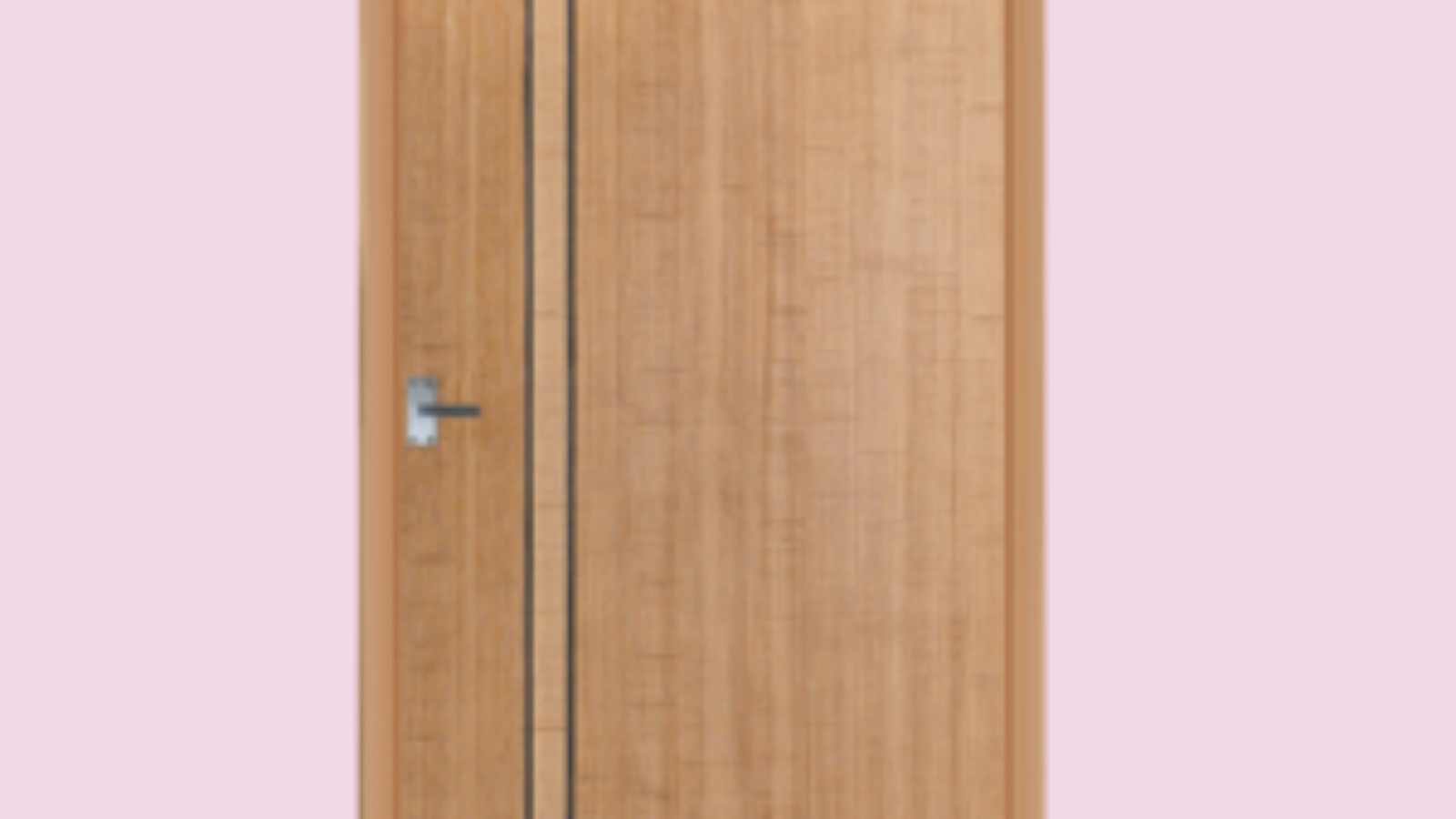
Your home or commercial building’s exterior doors provide excellent protection from weather elements, daily wear, and security issues, so they are essential to any building’s protective system. Exterior doors serve as your first line of defense against the outside environment.
Because of this, when choosing what type of exterior door will give you the most extended life, many options, styles, and materials exist. A question posed often is, “What type of exterior door lasts the longest?”
The answer depends on a variety of factors, including material quality, maintenance, and the environment within which the door will be used. However, some types of doors seem to provide superior durability, longevity, and performance compared to other types of doors. In this article, we will give an overview of some of those types and how they will provide you with an exterior door that will last.
Why Does the Durability of Exterior Doors Matter?
The exterior door represents the “face” of a building. It is subject to severe environmental conditions, such as rain, snow, humidity, dust, sun, and changes in temperature, over time, which can weaken the materials used to manufacture it, cause warping, fading, or permanent structural failure.
An exterior door that is constructed with durable materials allows a user of the property to experience the following:
1. Long-term financial savings due to reduced costs associated with replacing an exterior door.
2. Long-term financial savings from enhanced security and increased structural integrity.
3. Long-term consistent appearance and minimal maintenance.
4. Long-term resistance to the elements.
There is more to the “look” of an exterior door than just aesthetic appeal; however, an exterior door is an investment that will give years of reliable service.
Door Longevity Factors
Knowing the components that contribute to a door’s longevity is as important as comparing materials.
1) Strength Of Material
The strength of the door’s core material is the most important factor in determining a door’s longevity.
2) Weather Resistance
Doors that are subjected to moisture and the sun will require to withstand the elements by resisting swelling, cracking and fading.
3) Maintenance Requirements
Doors that require less maintenance will have a longer lifespan because they can be kept in better condition with minimal effort.
4) Manufacturing Quality
Quality control and precise engineering will ensure consistent performance of a door over its lifetime.
Lifespan Of Different Types Of Doors
1) Fibre Reinforced Plastic Or FRP Doors
FRP doors are considered one of the most durable types of door materials available today. Manufactured using modern technology and top quality components, these doors have outstanding environmental durability.
FRP Doors Last Long Because:
a) They withstand water, humidity and corrosion.
b) They will not warp, crack, or swell.
c) They are extremely strong and will not be easily damaged by abuse.
d) They are very little maintenance cost or time.
e) They are termite and fungal resistant.
Because of these characteristics they are perfect for use in residential and commercial buildings in high humidity, or rapidly changing weather areas. Their ability to withstand the test of time makes them one of the preferred door materials for long-life expectancy.
Steel Doors:
Steel doors provide excellent physical strength and security. Their resistance to physical impact gives steel doors an edge over other types of door materials.
Pros of Steel Doors:
– Strength and security
– Good resistance to cracking/warping
Cons of Steel Doors:
– Rust if not coated properly
– Can dent with heavy impact
– Less aesthetically pleasing due to less flexibility
A steel door has the potential to last for a long time with proper care and maintenance. However, moisture exposure may shorten its duration even with the proper care.
uPVC Doors:
uPVC doors are used for many reasons but mainly because of their affordability and resistance to certain weather factors.
Pros of uPVC Doors:
– Water & termite resistant
– Requires little or no upkeep
Cons of uPVC Doors:
– Not as durable as other materials
– Discoloration and/or deterioration occurs when exposed to high levels of sun.
Although uPVC doors are well suited for many purposes, they don’t provide the same level of durability as other materials that are considered more advanced.
The Durability of FRP Doors
In terms of exterior doors, FRP provides durability and longevity when compared to other types of doors. The combination of materials used to create FRP gives the door both strength as well as flexibility while being resistant to anything that would normally cause them damage.
FRP doesn’t hold moisture the same way that traditional doors do, so there aren’t problems such as swelling or rotting. Furthermore, FRP doors hold their original form/finish after years of exposure to sunlight as well as rain.
With today’s technology for manufacturing FRP doors, all types of FRP doors can be made with consistent thickness, solid bonds between all pieces, and enhanced durability. It is because of these benefits, FRP doors are extremely dependable for long term use in various environments.
Applications Where Long Lasting Doors Can Be Used
The application for the type of door selected really depends on where that door will be used. Long Lasting doors are particularly important to use in:
- Residential Entrances: Where every day use will occur as well as being exposed to the exterior elements at all times.
- Commercial Buildings: Where durability and very little maintenance are required for the type of doors used.
- Industrial Areas: Where heavy use will occur from opening and closing the door.
- Coastal Areas: Where high humidity and exposure to salt from the ocean will cause damage to inferior doors.
Under these conditions, selecting a quality material, such as FRP, for the application of the door will greatly enhance; both, the performance and the lifespan of that door.
Exterior Door Maintenance Tips
Even the most durable doors will benefit from regular maintenance; here are some ways to help extend the life of your doors.
- Make it a habit to clean the outside of your doors on a regular basis to avoid dirt accumulation
- Make sure to inspect the way your hinges and fittings operate on a regular basis
- Ensure that your doors are not exposed to standing water for extended periods
- Consider hiring a professional installer to ensure that your doors are properly aligned and supported.
By following these easy suggestions, you can maintain both the functionality and appearance of your exterior door for many years.
Quality Manufacturing Is Important
Durability is determined by both the materials used and the method of production. A door will perform as expected due to quality manufacturing techniques, which include working with skilled laborers, following established industry standards, and using quality materials.
The strength and longevity of a door are determined by a variety of factors, including the accuracy of the design, the correct adhesion of the materials used, and the attention paid to details. This is particularly significant for doors that will be used outdoors when their performance is critical.
Conclusion
What type of exterior door has the longest lifespan? Among the many durable options available, fiberglass reinforced plastic (FRP) is easily the best long-term choice due to its moisture resistance, strength, and low maintenance.
Homeowners, builders, or companies looking to purchase durable exterior doors should prioritize quality materials and skilled workmanship. Selecting a door that meets these criteria provides better protection and enhances the visual appeal of the home or business while still providing value over time.
Add a Comment
You must be logged in to post a comment